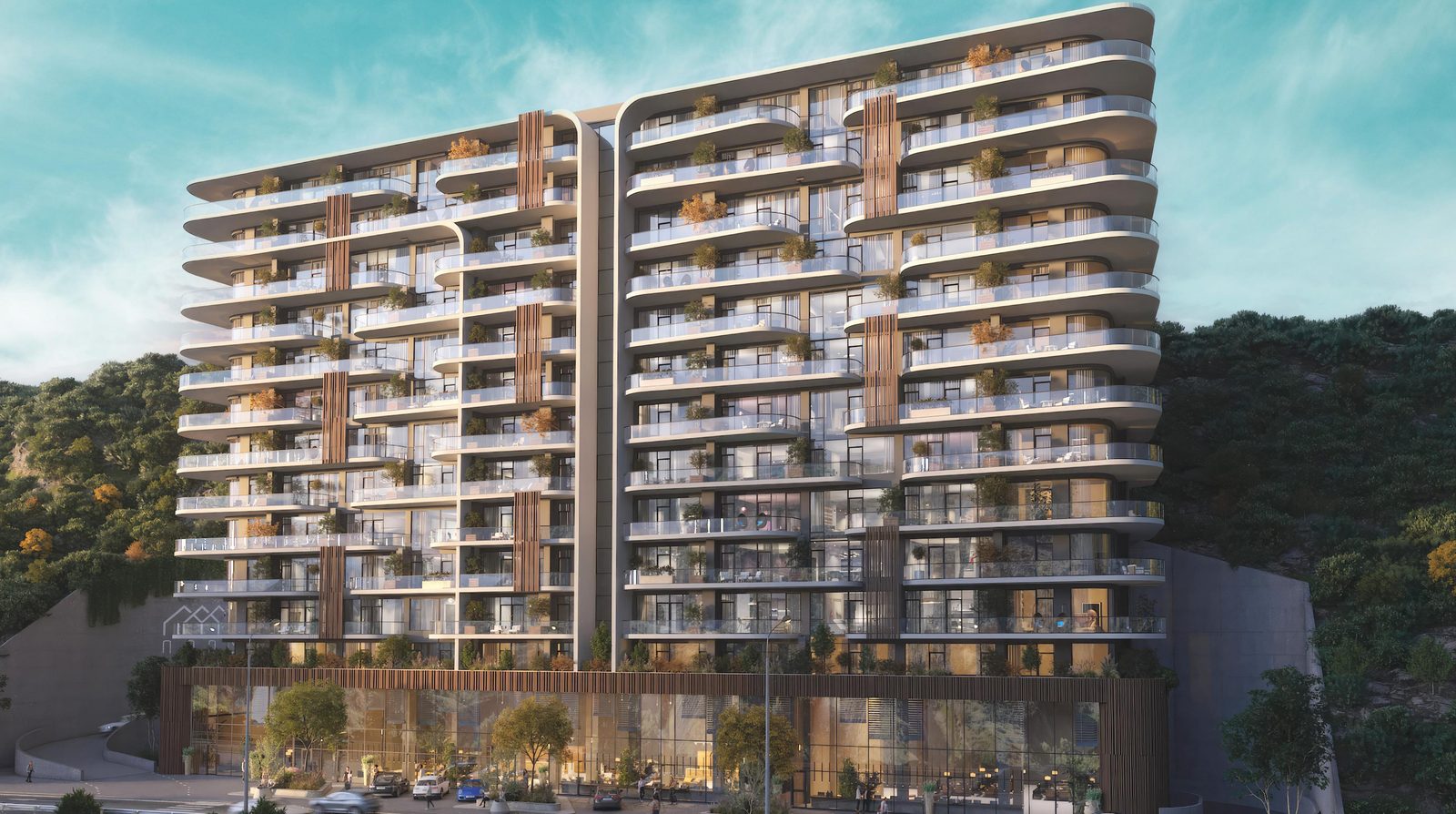
Off-plan is where Georgian real estate pays its biggest discounts and hides its only serious risks. Buy a unit during construction and you typically save 20 to 30 percent against the finished price, often on an interest-free payment plan. Buy the wrong project and you own a payment schedule attached to a hole in the ground.
The difference between those outcomes is not luck. It is a short list of checks, all of them possible before you sign, most of them ignored by the buyers who get burned. This is the complete playbook.
Why off-plan is so central here
Georgia, and Batumi especially, runs one of the most active construction pipelines in the region. Developers finance projects substantially through pre-sales, which is precisely why early buyers get real discounts: you are the financing. Prices typically step up at each construction milestone, foundation, frame, facade, handover, so the earliest money earns the largest gap.
The structure works. Thousands of units deliver normally every year, and plenty of SafeBuy users own profitable apartments they bought as renders. The structure also concentrates risk in one place: everything depends on the specific developer finishing the specific building, on land they actually control.
The five checks that decide everything
1. Who owns the land? Pull the project's registry record at NAPR. The land should be registered to the developer entity you are contracting with. If it belongs to someone else, a partner, a different company in the "group", a private individual, stop until the relationship is documented and verified. Our guide to reading NAPR records walks through the mechanics.
2. Is the land mortgaged? Developers routinely pledge the land to banks to finance construction. This is normal, and it is also a queue in which the bank stands in front of you. What matters is the release mechanism: your contract must state clearly how your unit exits the bank's pledge at handover. If the sales office cannot explain it, that is your answer.
3. Does the permit match the sales brochure? Building permits are public. The tower being sold as 30 floors should be permitted for 30 floors, not 20 with an optimistic amendment pending. Mismatches here are how buildings end up half-legal, and half-legal buildings become impossible to register, insure, or resell cleanly.
4. What has this developer delivered? Track record is the strongest single predictor. Visit a completed project, physically. Talk to owners there about delays and build quality. A developer with five delivered buildings and modest delays is a different species from a first-timer with a beautiful showroom. Established names charge more per meter for the same reason banks charge less to reliable borrowers.
5. What does the contract actually promise? Delivery date with defined penalties for delay, exact specification of the finish ("white frame", "green frame", and "turnkey" mean specific and very different things here), the total area and how shortfalls are compensated, and payment milestones tied to construction progress rather than the calendar. A few hundred dollars of independent legal review on this document is the best ratio of cost to protection in the entire purchase.
Structuring the payments
Standard off-plan schedules run 10 to 30 percent down with the balance staged to completion. Two rules keep the structure safe. Pay against verifiable milestones, a frame you can see, not dates on a page. And keep proof of every payment against the contract; those records are your position if anything is later disputed, and your cost basis for the capital gains rules described in our tax guide.
Between contract and handover, your protection is the contract plus the developer's incentives. At handover, insist on registration at NAPR in your name as the condition of final payment. Registration is what makes the apartment yours; keys are just metal.
The reward side, stated fairly
Done with the checks above, off-plan in Georgia has been genuinely lucrative. The 20 to 30 percent construction-phase discount is real money on delivery day, before any market appreciation, and coastal appreciation has itself been running hot, as covered in the Batumi investment guide. Early buyers in well-chosen Tbilisi projects have done similarly well, and the city's district logic applies to new builds just as it does to finished stock.
The honest summary: off-plan is the highest-return, highest-diligence corner of this market. It rewards buyers who verify like professionals and punishes buyers who fall in love with renders.
Where SafeBuy fits
New developments listed on our properties page carry the same registry verification as finished stock: land ownership, mortgage status, and legal flags checked before the listing goes live, with the results shown on each property page. If you are earlier in your research, the complete buyer guide covers the whole journey, and the app can pull the registry record for any project you are being pitched anywhere.
General information as of 2026, not legal or investment advice. For any off-plan contract, engage an independent Georgian lawyer before signing.