It is the first fork in the road for almost every foreign buyer in Georgia: the capital or the coast? Tbilisi and Batumi share a legal system, a tax regime, and a registry, and beyond that they are genuinely different investments. Treating them as interchangeable is how people end up with the wrong asset for their goals.
Here is the honest comparison, category by category.
The two theses in one paragraph each
Tbilisi is a capital-city market: 1.2 million residents, government, universities, hospitals, tech companies, and a rental market that runs twelve months a year. You are buying into structural demand that does not depend on the weather. Returns arrive as steady rent plus long-term appreciation.
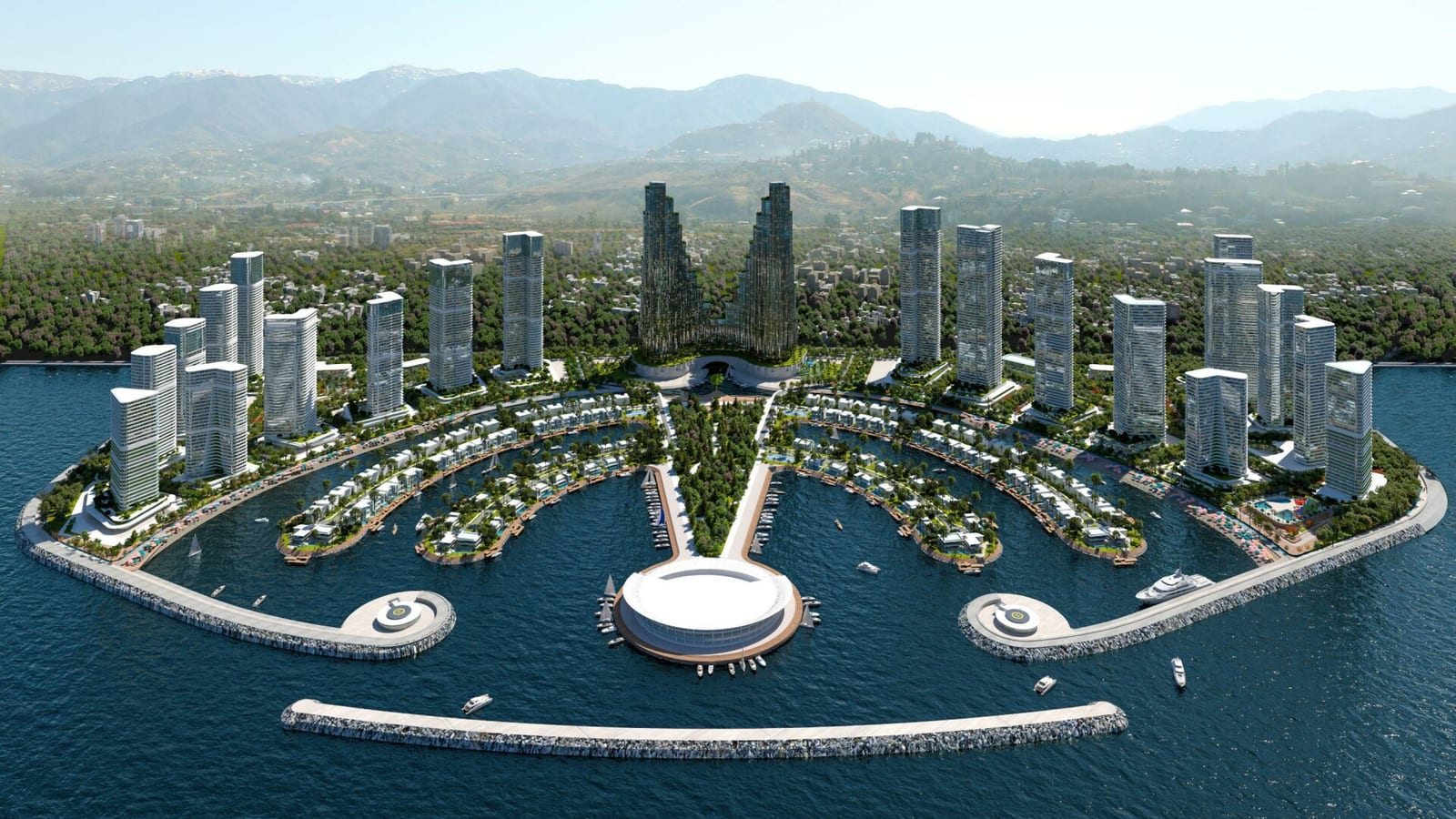
Batumi is a resort market with a boom overlay: spectacular summer demand, casino and conference traffic, heavy new construction, and prices that have compounded fast, coastal stock rose 16.5 percent year on year in the latest data. Returns arrive as concentrated seasonal income plus development-driven appreciation, with more volatility in both.
Entry price
Batumi wins on absolute affordability. Functional new studios start around 40,000 to 60,000 USD, and 1,200 to 2,000 USD per square meter buys serious sea-view stock on the New Boulevard. In Tbilisi, the citywide average sits near 1,400 USD per square meter, with premium districts like Vake at 2,000 to 3,000. A given budget simply buys more building in Batumi, or two Batumi units for one central Tbilisi flat, a structure some buyers use deliberately to clear the 150,000 USD residency threshold, covered in our residence permit guide.
Rental yield
On paper, Batumi's ceiling is higher: 8 to 12 percent gross in a well-run year against Tbilisi's 7 to 10. The word doing the work is "well-run". Batumi income is a five-month harvest requiring active management, dynamic pricing, and marketing; the same apartment run passively can halve its return. Tbilisi's yield arrives as boring monthly transfers from a long-term tenant who also pays the utilities. Operators should lean Batumi; everyone who values sleep should lean Tbilisi. The city-level breakdowns are here: Tbilisi districts and the Batumi investment guide.
Vacancy risk
Tbilisi's tenant pool is deep and diverse: students, medics, IT workers, diplomats, remote workers. A sensible Saburtalo flat rarely sits empty more than weeks. Batumi's risk is structural: winter is quiet for everyone, and the construction pipeline keeps adding supply that competes for the same summer guests. Buying a differentiated unit, real sea view, good building, walkable location, is the Batumi defense; commodity units in identical towers feel oversupply first.
Appreciation
Both cities have appreciated strongly, but the drivers differ. Tbilisi's growth tracks the national economy, urbanization, and chronic undersupply of quality central stock; it is the steadier compounding story. Batumi's growth is faster and lumpier, tied to tourism trajectories and headline investments. The upside case is bigger; so is the drawdown case if tourism disappoints.
Personal use
Not a financial line item, but it decides more purchases than anyone admits. Batumi is a summer place you will actually use, which is lovely and also erodes your peak rental weeks, the exact weeks that carry the annual return. A Tbilisi flat is usable year-round and rents year-round, so personal use and income conflict less violently.
Taxes, process, ownership: a tie
Everything structural is identical: full foreign ownership, no purchase tax, registration in days at NAPR, 5 percent flat tax on registered rental income, zero capital gains after two years. The buying process and cost stack do not care which city you choose.
The verdict, by buyer type
- First property in Georgia, want simplicity: Tbilisi, a modern one or two bedroom near a Saburtalo metro stop.
- Maximum income per dollar and willing to operate: Batumi, New Boulevard or Gonio, with professional management lined up before you buy.
- Residency-motivated at 100k: either city works; Tbilisi clears the appraisal threshold with fewer units.
- Lifestyle plus some income: Batumi if your calendar is summers, Tbilisi if it is year-round.
- Diversifiers: the classic answer is one of each, income seasonality in Batumi smoothed by Tbilisi's steady rent.
Whichever way you lean, the rule that outranks the city choice: verify the specific property against the registry before money moves. Browse the current registry-checked listings for both markets, Tbilisi and Batumi, on SafeBuy.
Market figures are observations as of 2026, not guarantees. General information, not investment advice.