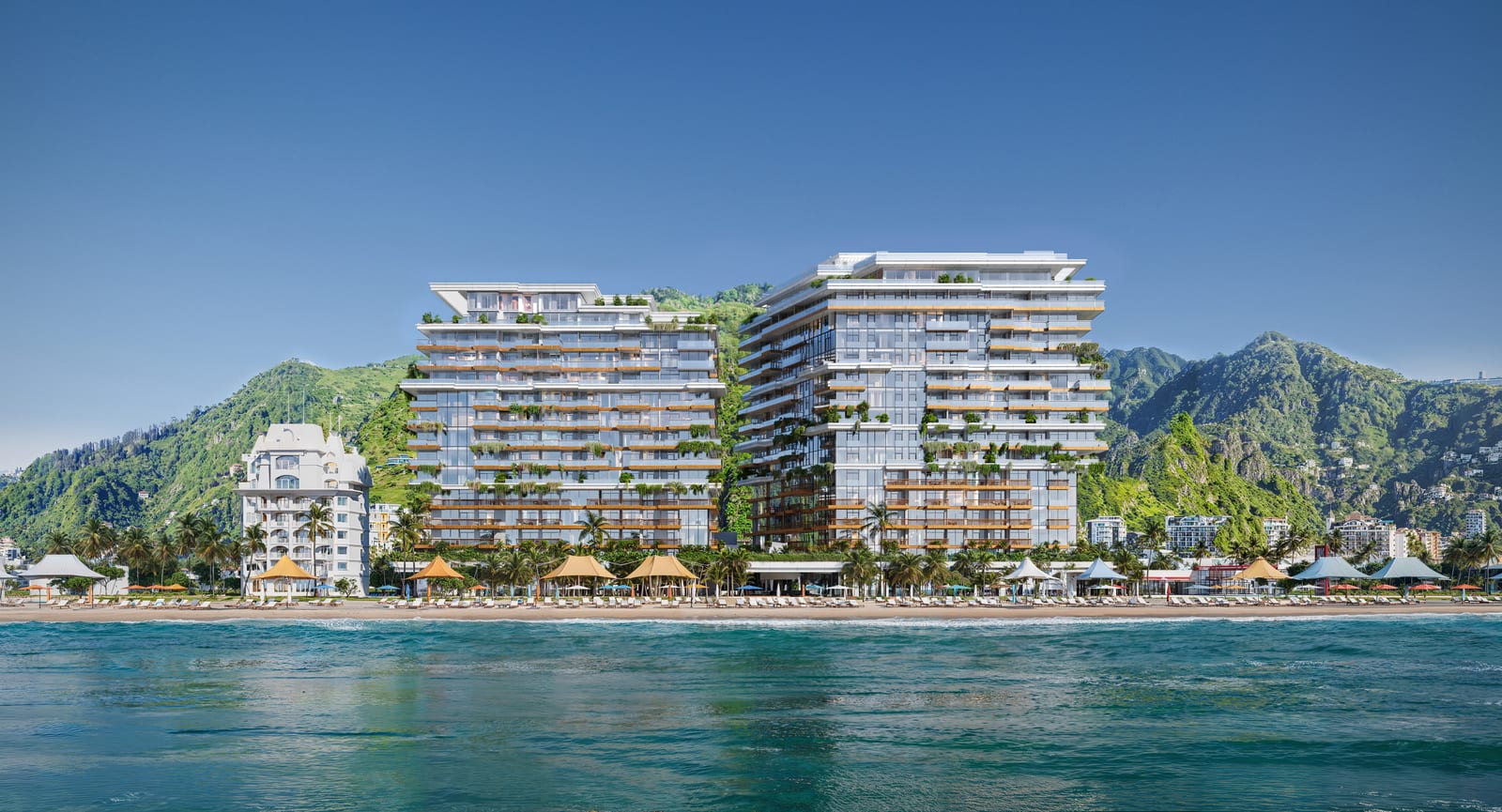
Batumi divides investors like no other city in the region. To believers, it is the Black Sea's answer to the early Gulf boom: double-digit price growth, a skyline that changes every season, and entry prices low enough to buy with savings rather than financing. To skeptics, it is an oversupplied resort town where towers outnumber tenants half the year.
Both camps are looking at the same city. The difference between their outcomes is what they buy and how they run it. This is the practical guide to being in the first camp.
The numbers that draw people in
Start with what is objectively true. Coastal prices rose 16.5 percent year on year in the latest market data, among the fastest in the wider region. Entry prices remain low in absolute terms: functional studios in new towers start around 40,000 to 60,000 USD, and quality sea-view stock on the New Boulevard trades at roughly 1,200 to 2,000 USD per square meter, a fraction of comparable coastal cities elsewhere in Europe.
Layer on Georgia's ownership regime, no purchase tax, registration in days, a flat 5 percent tax on registered residential rental income, zero capital gains after a two-year hold, and the arithmetic explains the demand. A majority of buyers in recent years have been foreign, treating Batumi as a yield product with a beach attached.
The seasonality nobody should hide from you
Batumi's rental market breathes with the calendar. July and August are extraordinary: occupancy near saturation and nightly rates that can return a month's long-term rent in a week. June and September are strong. The winter is quiet, softened somewhat by casino traffic, conferences, and a slowly growing year-round population, but quiet.
A realistic annual model, professionally managed and priced honestly, grosses 8 to 12 percent in a good year, concentrated in five months. Run the same apartment passively, with no management, no channel strategy, and no shoulder-season pricing, and the number can halve. Batumi rewards operators and disappoints absentee optimists. If you want truly passive income, a long-term-rented Tbilisi flat is the calmer instrument, and we compare the two markets honestly in the district guide to Tbilisi.
Where to buy along the coast
The New Boulevard is the premium strip: modern towers directly on the seafront promenade, the strongest nightly rates, and the deepest guest demand. You pay the most per square meter and earn the most per night. For pure short-term rental economics, this is the default answer.
The Old Town trades sea views for character, cobbled streets, restaurants, and nightlife. It appeals to couples and city-break guests, books well across a longer season, and often costs less per square meter than the front line.
Gonio, south toward the border, has grown from a beach village into a genuine submarket: newer buildings, a better beach, quieter nights, and lower prices. It suits families and longer summer stays, and increasingly, buyers priced out of the Boulevard.
Makhinjauri and Chakvi, north of the city, offer similar value logic, while Kobuleti further up the coast is the budget seaside play with a more local guest profile.
The off-plan question
More than anywhere else in Georgia, Batumi is an off-plan market. Buying during construction typically saves 20 to 30 percent versus completed stock, with payment plans on top. It is also where the market's real risk lives: projects on mortgaged land, permits that do not match what is being built, and first-time developers selling renders.
The checks are unglamorous and decisive. Confirm at the public registry that the developer owns the land. Confirm the building permit. Check whether the project itself is pledged to a bank. Look at what the developer has actually delivered before, on time or otherwise. Every one of these is visible before you sign, and the buyer-risk field guide maps the failure patterns in detail.
Running the apartment
Three decisions determine whether you land at 12 percent or 6.
Management. A competent local manager who handles listings, cleaning, and pricing typically takes 15 to 25 percent of revenue and is worth it for any owner not living in Batumi.
Registration and tax. Register as an individual landlord and the 5 percent flat rate applies to your rental income. The wider ownership costs, near zero in Georgia's case, are itemized in our cost breakdown.
The unit itself. Guests book views, balconies, pools, and walking distance. A slightly more expensive apartment with a genuine sea view consistently out-earns a cheaper one facing the parking lot, by more than the price difference.
Who Batumi fits
Buy in Batumi if you want maximum income per invested dollar, accept seasonality, and will either manage actively or hire someone who does. Look to Tbilisi instead if you want steadier year-round tenancy with less operational involvement. Plenty of investors, sensibly, end up with one of each.
Current registry-checked listings are on the Batumi properties page, alongside all verified properties. And if you are earlier in the journey, start with the complete guide to buying property in Georgia, which covers the process end to end.
Market figures are observations as of 2026, not guarantees. General information, not investment advice.